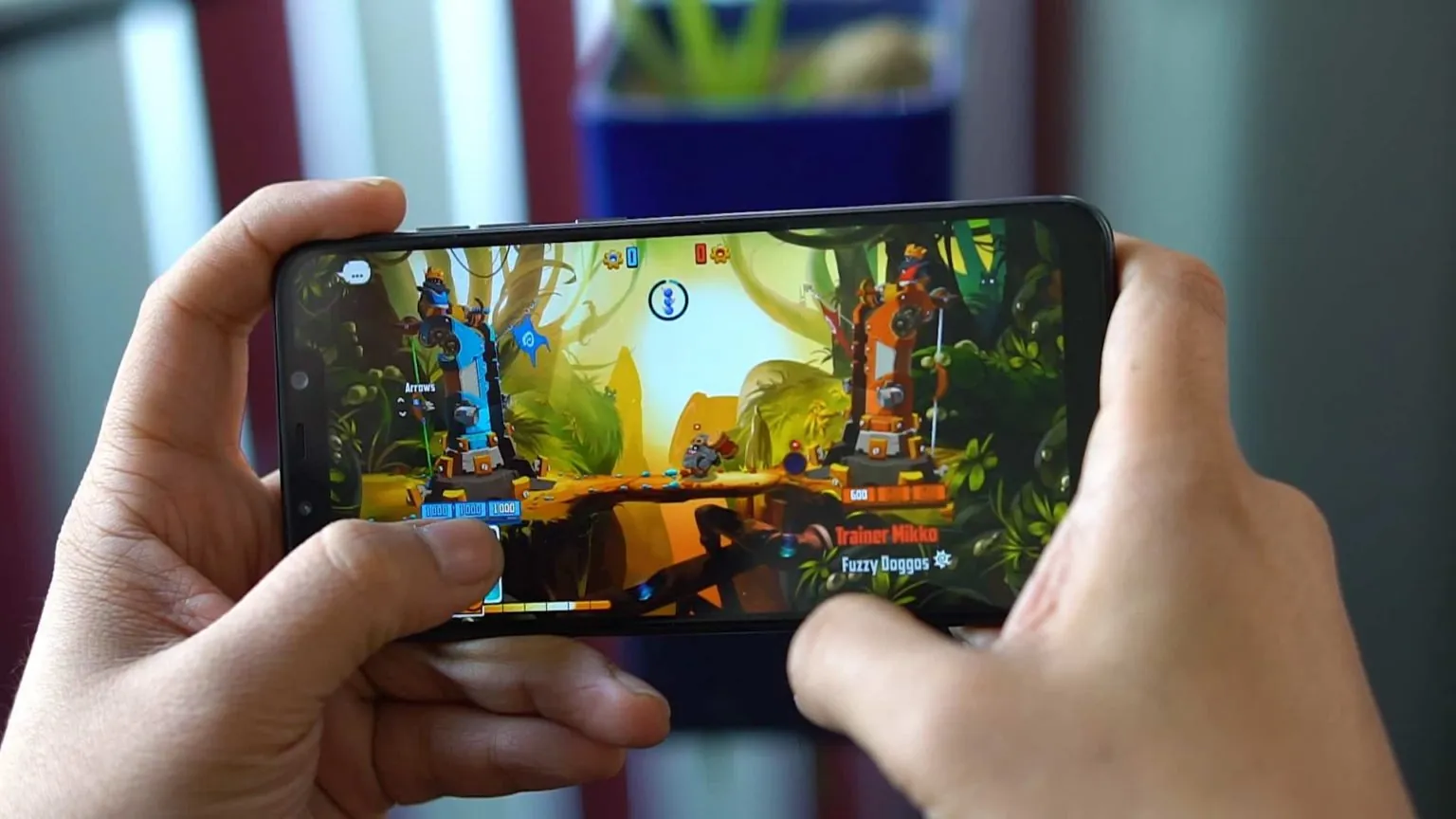
Hands holding a smartphone while playing a mobile game

Mobile Gaming

The Transformation of Mobile Gaming: A New Era of Digital Experiences

Mobile gaming has become one of the most influential segments of the modern digital entertainment industry. It encompasses interactive software designed for portable electronic devices, including smartphones, tablets, handheld computers, smartwatches, and other compact digital platforms. Unlike traditional computer or console gaming, mobile entertainment allows users to access interactive experiences almost anywhere, without requiring specialized equipment or a fixed location.

The performance of contemporary mobile games depends on several hardware components, including processors, graphics technologies, available memory, and display quality. Improvements in these areas have made it possible to deliver increasingly sophisticated visual effects, responsive controls, and complex gameplay mechanics on relatively small devices. Games can be downloaded through digital distribution platforms, installed directly from the internet, or accessed through different wireless technologies.

Beyond entertainment, interactive mobile applications can contribute to cognitive development and everyday well-being. Certain types of games encourage strategic thinking, improve reaction speed, stimulate creativity, and help users practice decision-making. Multiplayer formats also create opportunities for communication, cooperation, and social interaction. These characteristics have helped mobile gaming develop into a widely accepted form of leisure activity across different age groups and regions.

The industry's development has also changed how entertainment software is produced. Game developers increasingly prioritize portable platforms when designing new products, recognizing that consumers value accessibility and flexibility. Improvements in mobile hardware have reduced the technical differences between handheld devices and traditional gaming systems, allowing developers to introduce more sophisticated experiences without significantly compromising quality.

Digital Experiences

The Expansion of Interactive Digital Experiences

The growing availability of powerful mobile devices has transformed the variety of entertainment options available to consumers. What initially consisted of relatively simple applications has developed into a broad ecosystem featuring strategy challenges, competitive multiplayer environments, interactive adventures, simulations, and visually advanced digital worlds.

The expansion of development technologies has also lowered certain barriers to entering the industry. Independent studios and smaller development teams can now access tools that previously required substantial technical resources. This has contributed to a more diverse marketplace, where experimental concepts and unconventional gameplay formats can reach international audiences.

Another important development is the integration of emerging technologies into interactive entertainment. Augmented environments, location-based mechanics, and advanced online connectivity have introduced new ways for players to interact with digital content. These innovations have helped mobile games move beyond conventional screen-based experiences and become more connected with everyday activities.

Market Data

Global Download Patterns Across Mobile Game Categories

The popularity of different mobile entertainment categories provides useful insight into consumer preferences and changing market conditions. Download statistics can reveal which formats attract the largest audiences, which categories maintain consistent demand, and where new opportunities may emerge.

Data covering 2021 and 2022 demonstrates that lightweight games requiring minimal time and effort remained particularly popular. However, several categories experienced modest fluctuations in download volumes during this period.

Casual games

202113.7M
202212.3M

Casual games with straightforward mechanics occupied the leading position, recording approximately 13.7 million downloads in 2021 and 12.3 million in 2022. Despite remaining the most widely downloaded category, their performance declined by approximately 1.4 million downloads year over year.

Arcade

20216M
20225.9M

Arcade-style entertainment maintained the second position, reaching approximately 6 million downloads in 2021 compared with 5.9 million in the following year. This relatively small difference suggests that demand for short, accessible gaming sessions remained stable.

Simulation

20214.8M
20224.8M

Simulation-based applications recorded approximately 4.8 million downloads in both reporting periods, demonstrating consistent audience interest.

Puzzle

20214.9M
20224.5M

Puzzle-oriented products experienced a more noticeable reduction, declining from 4.9 million downloads in 2021 to approximately 4.5 million in 2022.

These figures illustrate that mobile entertainment preferences are not static. Although familiar formats continue to attract substantial audiences, developers must regularly evaluate consumer behavior and introduce improvements to maintain engagement.

Origins

The Early Development of Portable Digital Entertainment

The foundations of mobile gaming can be traced back to the early development of electronic entertainment for compact devices. During its initial stages, the industry focused primarily on simple mechanics, limited graphics, and straightforward objectives. These characteristics were largely determined by the technical restrictions of early handheld hardware.

Despite their simplicity, early portable games introduced an entirely new concept: entertainment that could accompany users throughout their daily routines. Players no longer needed access to televisions, computers, or dedicated gaming equipment to enjoy interactive activities.

The introduction of basic controls and easily recognizable gameplay mechanics helped these products appeal to a broad audience. Their accessibility played an important role in establishing the foundations of the mobile entertainment market.

As portable technology improved, developers began experimenting with more sophisticated concepts. Early wireless capabilities, improved displays, and additional processing resources created opportunities for more complex interactive applications. This gradual transformation established the groundwork for the modern mobile gaming ecosystem.

Market Expansion

Technological Progress and Market Expansion

A major turning point occurred when touchscreen smartphones and integrated digital application marketplaces became widely available. These developments fundamentally changed how users discovered, purchased, installed, and interacted with mobile software.

Touch-based interfaces introduced a more natural method of controlling games. Instead of relying exclusively on physical buttons, users could interact directly with objects displayed on their screens. This approach allowed developers to experiment with new control systems and gameplay formats.

Digital distribution also simplified access to entertainment products. Consumers could browse extensive application catalogs, install new releases within minutes, and receive updates without requiring physical media. For developers, these platforms created opportunities to distribute products internationally and communicate directly with their audiences.

The growing popularity of mobile entertainment encouraged investment from both established studios and newly created development companies. As a result, production standards improved, and mobile games gradually became more competitive with traditional entertainment software.

Over time, several successful products demonstrated that handheld platforms could support long-term audience engagement. Some applications attracted millions of regular users through frequent content updates, accessible gameplay, social interaction, and increasingly sophisticated progression systems.

Innovation

The Role of Emerging Technologies in Mobile Entertainment

Technological innovation remains one of the primary forces shaping the mobile gaming sector. The widespread availability of high-performance devices, improved internet infrastructure, and advanced software development tools has expanded the possibilities for creating interactive digital experiences.

Several technologies are particularly important to this transformation.

A castle rising out of a smartphone screen, illustrating augmented reality

Augmented Reality (AR)

Augmented reality combines digital objects with elements of the physical environment. Through smartphone cameras and location-based features, developers can create experiences in which virtual elements appear within real-world surroundings.

This approach introduces new opportunities for exploration, interactive challenges, and location-dependent gameplay. It also allows entertainment applications to establish stronger connections between digital activities and users' everyday environments.

Virtual Reality (VR)

Virtual reality focuses on creating computer-generated environments that provide a greater sense of immersion. Although traditionally associated with specialized equipment, improvements in mobile processing and display technologies continue to influence the development of more accessible immersive experiences.

Such environments can offer interactive simulations, exploration-based activities, and alternative forms of digital storytelling.

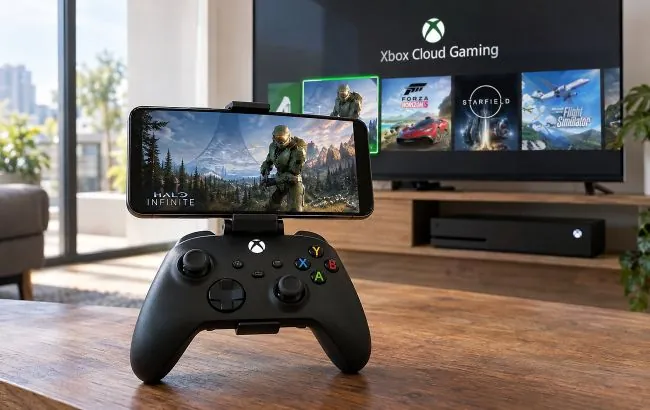
A smartphone mounted on a game controller streaming a game, with a cloud gaming library on the screen behind

Cloud-Based Gaming

Cloud infrastructure provides another opportunity for expanding mobile entertainment. Instead of performing all computational operations directly on a user's device, certain gaming processes can be handled by remote servers.

This model can reduce hardware limitations and make more demanding entertainment products accessible through compatible devices. It also creates opportunities for users to continue their activities across different platforms.

Artificial Intelligence

Artificial intelligence is increasingly relevant to game development and user experience optimization. It can support adaptive difficulty systems, more responsive virtual characters, personalized recommendations, and automated testing processes.

These capabilities allow developers to create experiences that respond more effectively to individual playing styles and preferences.

Hardware & Networks

Connectivity and Improvements in Mobile Hardware

A gaming smartphone shown next to a clip-on cooling accessory

The development of modern communication networks has significantly influenced the quality of online mobile entertainment. Faster connections and reduced network delays make it easier to support competitive multiplayer environments, synchronized interactions, and more complex online activities.

The expansion of fifth-generation mobile connectivity is particularly relevant. Higher data transfer capacity and improved network responsiveness can support more demanding applications while reducing interruptions during online sessions.

Hardware manufacturers are also continuing to improve mobile processors, graphics capabilities, battery efficiency, and memory performance. These developments allow smartphones to handle increasingly sophisticated software while maintaining a convenient portable format.

As device capabilities continue to advance, mobile developers gain greater flexibility when designing complex environments, detailed visual effects, and interactive systems.

Industry Economics

Changes in Consumer Behavior and Industry Economics

The mobile entertainment market is influenced not only by technological progress but also by changes in consumer expectations and business conditions.

Players increasingly expect regular updates, personalized experiences, cross-device accessibility, and opportunities to interact with other users. Developers must therefore maintain engagement long after the initial release of a product.

At the same time, changes in digital advertising regulations, user privacy requirements, and marketing costs have affected how companies attract new audiences. Customer acquisition has become an important financial consideration, particularly for studios operating in highly competitive market segments.

These developments have encouraged businesses to reconsider traditional monetization strategies. Subscription models, optional purchases, advertising-supported experiences, and combinations of different revenue streams are now common approaches.

The industry has also seen growing interest in hybrid gameplay concepts. These products combine elements from multiple entertainment categories, offering more varied experiences than conventional single-genre applications.

−1%

Traditional lightweight games Annual change in downloads, 2022

+13%

Hybrid-oriented games Annual change in downloads, 2022

Download trends from 2022 illustrate this shift. While the traditional lightweight gaming segment experienced an annual decline of approximately 1%, hybrid-oriented products recorded growth of around 13%. This difference suggests that combining accessible mechanics with deeper progression systems can create additional opportunities for developers.

What's Next

Future Developments in Mobile Gaming

Players competing at computers during a multiplayer gaming tournament

The next stage of mobile gaming is expected to be shaped by deeper technological integration and increasingly personalized entertainment experiences.

Augmented and virtual reality technologies may introduce more sophisticated interactive environments, while artificial intelligence could make gameplay systems more adaptive and responsive. Improved online infrastructure is also likely to support more complex multiplayer experiences and greater synchronization between devices.

Social connectivity is another area with considerable growth potential. Gaming applications are increasingly functioning as digital communities where users can communicate, cooperate, compete, and share their achievements.

Developers may also place greater emphasis on personalized content. By analyzing general gameplay patterns and preferences, applications can provide recommendations, adjust challenges, and introduce experiences that better match individual interests.

The expansion of mobile internet access in developing economies could further increase the number of potential players. As smartphones become more affordable and network infrastructure improves, additional audiences will gain access to digital entertainment.

However, continued expansion will require developers to address several challenges, including hardware fragmentation, data protection, cybersecurity, software optimization, and increasing competition for consumer attention.

Looking Ahead

Building a Sustainable Future for Mobile Entertainment

The long-term development of mobile gaming will depend on the industry's ability to combine technological innovation with sustainable business practices. Creating visually impressive products is no longer sufficient on its own. Developers must also consider accessibility, performance, content quality, user expectations, and long-term engagement.

Successful entertainment platforms are likely to focus on flexible monetization systems, consistent product improvements, and stronger relationships with their audiences. Companies that understand changing consumer preferences and adapt their development strategies accordingly will be better positioned to remain competitive.

Mobile gaming has evolved from a relatively simple form of portable entertainment into a sophisticated global digital ecosystem. Its development reflects broader changes in technology, communication, and consumer behavior.

As hardware becomes more powerful and interactive technologies continue to mature, mobile platforms are expected to offer increasingly diverse entertainment opportunities. The industry's future will be shaped by its capacity to deliver accessible, engaging, and technologically advanced experiences to audiences around the world.